Raccoon Removal Service: Protecting Your Property While Keeping Wildlife Management Safe and Responsible

Raccoons may appear harmless at first glance, but when they invade residential or commercial spaces, they can cause significant damage and create serious safety concerns. Known for their intelligence and adaptability, raccoons often seek shelter in attics, crawl spaces, garages, and outdoor structures where they find warmth, food, and protection. While some property owners attempt to handle the issue themselves, professional raccoon removal services offer a more effective and humane solution that prioritizes both property protection and responsible wildlife management.

Understanding how raccoon removal works—and why it matters—can help homeowners and business owners prevent long-term structural damage, health risks, and recurring infestations. A professional approach focuses not only on removing the animals but also on identifying entry points, addressing attractants, and implementing preventative strategies that keep raccoons from returning.

Why Raccoons Become a Problem Around Properties

Raccoons are highly resourceful animals that thrive in environments where food and shelter are easily accessible. Garbage bins, pet food left outdoors, unsecured roofing areas, and poorly sealed vents can all attract raccoons searching for a safe nesting location. Once inside a property, they can chew through insulation, wiring, and wood structures while leaving behind waste that creates strong odors and potential health hazards.

One of the biggest challenges with raccoon infestations is how quickly the situation can escalate. A single raccoon entering an attic can soon become a family of animals if nesting occurs. This not only increases noise and disruption but also amplifies the damage caused to the structure. Professional raccoon removal services focus on identifying these risks early, ensuring that problems are addressed before they grow more severe.

The Risks of Ignoring Raccoon Activity

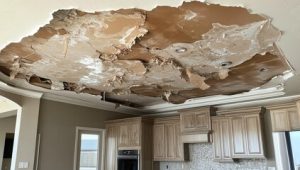
Many property owners delay action when they first notice signs of raccoon activity, assuming the animals will eventually leave on their own. Unfortunately, waiting often leads to more extensive damage and higher repair costs. Raccoons are known to tear shingles, widen small openings in roofs, and destroy insulation while creating pathways that allow moisture to enter the structure.

Health concerns are another major issue. Raccoons can carry parasites and diseases that pose risks to both humans and pets. Their droppings may contain harmful bacteria, and nesting areas can attract insects or other pests. Addressing the problem quickly with professional removal services minimizes these risks while restoring safety and comfort to the property.

What Professional Raccoon Removal Services Include

A professional raccoon removal service goes far beyond simply trapping animals. The process typically involves a comprehensive evaluation of the property to identify entry points, nesting areas, and potential attractants. Experts use humane and effective methods designed to remove raccoons safely without causing unnecessary stress or harm to the animals.

Key components of a thorough raccoon removal service often include:

  1. Inspection and Assessment – Identifying how raccoons entered the property and evaluating the extent of damage or contamination.
  2. Humane Removal Methods – Using safe techniques to relocate animals while following responsible wildlife practices.
  3. Exclusion and Prevention – Sealing entry points and reinforcing vulnerable areas to prevent future infestations.

By addressing the root causes of the problem rather than just the symptoms, professional services provide long-term solutions instead of temporary fixes.

Common Signs You May Need Raccoon Removal

Recognizing early warning signs can help property owners act quickly before the problem worsens. Raccoons are nocturnal, meaning most activity occurs at night. Strange noises, particularly scratching, thumping, or rustling sounds coming from attics or walls, may indicate their presence.

Other common signs include overturned garbage bins, damaged vents, torn roofing materials, or visible paw prints around entry points. Strong odors coming from insulation or ceilings can also suggest nesting activity. Identifying these signs early allows for faster intervention and reduces the likelihood of extensive structural damage.

Why DIY Removal Often Fails

Although some people attempt to remove raccoons on their own, DIY methods rarely address the underlying causes of infestations. Store-bought traps or repellents may temporarily deter raccoons, but they do not resolve entry points or nesting issues. Additionally, improper handling can lead to injury, legal complications, or unintended harm to the animals.

Professional raccoon removal specialists have the training and equipment needed to manage wildlife safely and effectively. They understand raccoon behavior, which helps them identify hidden nesting areas and implement solutions that prevent future problems. Attempting DIY removal without proper knowledge can result in repeated infestations and increased repair costs over time.

The Importance of Humane Wildlife Management

Modern raccoon removal services emphasize humane practices that balance property protection with environmental responsibility. Ethical removal methods focus on relocating animals safely while minimizing stress and avoiding unnecessary harm. This approach not only aligns with responsible wildlife management principles but also ensures that removal efforts comply with applicable regulations.

Humane removal also considers the possibility of young raccoons in nests. Professionals are trained to identify breeding seasons and implement strategies that protect both adult animals and their offspring. By prioritizing humane solutions, raccoon removal services contribute to a healthier coexistence between humans and wildlife.

Preventative Measures That Make a Difference

Once raccoons are removed, prevention becomes the most important step in maintaining a raccoon-free property. Experts often recommend practical strategies that reduce the likelihood of future infestations. These measures focus on eliminating attractants and reinforcing vulnerable areas of the structure.

Some effective prevention techniques include:

  1. Securing Trash and Food Sources – Use tightly sealed containers and avoid leaving pet food outdoors overnight.
  2. Maintaining Roofing and Vents – Repair damaged shingles, install vent covers, and seal small openings that raccoons could widen.
  3. Trimming Overhanging Branches – Reducing access points from nearby trees helps prevent raccoons from reaching the roof.

Implementing these preventative steps ensures that removal services deliver long-term results rather than temporary relief.

How Raccoon Removal Protects Property Value

A raccoon infestation can negatively affect property value if left unresolved. Structural damage, unpleasant odors, and visible signs of wildlife intrusion can discourage potential buyers or tenants. Professional raccoon removal services restore cleanliness and safety, making the property more appealing and well-maintained.

Clean insulation, repaired roofing, and sealed entry points demonstrate proactive care and reduce concerns about hidden problems. Even for property owners who are not planning to sell, maintaining a pest-free environment contributes to long-term structural integrity and peace of mind.

Long-Term Benefits of Professional Raccoon Removal

Investing in professional raccoon removal offers several advantages that extend beyond immediate relief from noise or disruption. One of the most significant benefits is the protection of structural components, including wiring, insulation, and wooden supports. By preventing ongoing damage, removal services help reduce the risk of costly repairs or safety hazards.

Another key advantage is improved indoor air quality. Removing contaminated nesting materials and cleaning affected areas eliminates odors and reduces exposure to harmful bacteria or allergens. Over time, these improvements contribute to a healthier living environment for residents and visitors alike.

Building a Maintenance Plan After Removal

After raccoons are removed, maintaining the property becomes essential to preventing future issues. Regular inspections of roofing, vents, and exterior walls help identify vulnerabilities before they become entry points. Seasonal maintenance, such as clearing debris from gutters or repairing small gaps in siding, can make a significant difference in keeping wildlife out.

Property owners may also benefit from periodic professional inspections to ensure that exclusion measures remain intact. These inspections provide reassurance that the property continues to be secure while allowing for early detection of potential problems.

Conclusion: A Smarter Approach to Wildlife Challenges

Raccoon removal services play a vital role in protecting properties from damage, health risks, and recurring infestations. By combining humane removal methods with preventative strategies, professionals address both immediate concerns and long-term solutions. Rather than viewing raccoon removal as a one-time task, property owners should see it as part of a comprehensive approach to property maintenance and wildlife management.

Choosing professional raccoon removal ensures safety, efficiency, and lasting results. With proper inspection, humane techniques, and preventative planning, property owners can maintain a secure and comfortable environment while respecting the balance between human spaces and the natural world. A proactive approach not only protects the structure itself but also enhances overall quality of life, making raccoon removal services a valuable investment for any property facing wildlife challenges.

Visit our Professional Services Blogs

Portland Metro Plumbers, Provantage Handyman, Santa Ana Flooring, Plumbing Heating Cooling New Jersey, Riverside Stump Grinding, Painter In Hanover, My Restoration Directory, Miami Dade Restoration Services, Update Construction, Campanelli Construction, Cruz Construction And Restoration , Airconditioning Round Rock, Air Dynamics Airconditioning And Heating, Gands Airconditioning And Heating, Windward Building Company LLC, Airconditioning Repairs Bocaraton, Laguna Airconditioning, Roofing 719, 3 Phase Construction NJ, Broadway Building Contractors, UIS Concrete And Demo, Austin Plumbers Near Me, Richmond Gutter Cleaning Company, Weather Defense Roofing Weather Proof Roofing, Ray Allen Plumbing, Raleigh Pressure Washing Painting , Fairfield County Septic, Carlson Craft Cabinets, Helping Hand Home Improvement, Delco Home InspectorWindow Cleaning Stafford 

The Pest Control Process

Pest Control Stuart process involves thorough inspections, targeted treatments, and integrated pest management (IPM). Physical methods like burning nests or blocking entry points reduce the environmental impact of chemical pesticides.

Before the treatment, clearing clutter and storing items away from walls and floors makes it easier for technicians to inspect and treat areas effectively. It also helps prevent items from absorbing pesticide and contaminating your home.

Identifying the Pests

Pest Control

Correct identification is the first step in controlling pests. It is important to know what you are dealing with and how it gets into a home or business in order to find the right control method for that specific pest. Using proper identification techniques can prevent you from wasting time and money on ineffective tactics that may even harm people or the environment.

Whether it’s an insect, weed, rodent, bird or some other organism, pests can cause serious health and safety problems in homes and businesses. They can spread diseases by carrying bacteria, fungi and viruses. They can also increase the risk of asthma attacks or trigger allergies in susceptible individuals through their body parts, dander or feathers. The good news is that the vast majority of pests can be controlled without resorting to chemical pesticides. The key is to eliminate the conditions that make them thrive, which is why it is so important to remove any standing water near the structure; replace infested wood; seal cracks and crevices; and direct surface water away from the foundation.

There are four major types of pest control methods: physical, biological, chemical and integrated pest management (IPM). A well-trained pest professional will use the best combination of these methods to achieve long-term results. Regular inspections of the property and surroundings can help track pest populations and life cycle stages. Once a threshold is reached, the appropriate action can be taken, such as removing nests of wasps or releasing beneficial insects to control aphids.

IPM programs use monitoring and inspections to assess the effectiveness of non-chemical controls before proceeding to more rigorous control measures, such as the targeted spraying of pesticides. IPM also utilizes a variety of trap crops, including zinnia and marigold, to reduce the need for broad-spectrum chemical treatments. This approach is not only more environmentally responsible, but also builds customer trust over the longer term.

Developing a Treatment Plan

Developing and following a pest control plan is an essential part of integrated pest management (IPM). It guides preventative strategies like cleaning and sealing entry points to keep pests from re-entering. It also includes corrective actions like setting bait stations or applying insecticides to target specific pest populations. Use a pest inspection checklist to pinpoint problem areas and record results.

Before pest treatment, clean the targeted area to remove crumbs and other debris that will be covered by chemicals. Wait the recommended time before cleaning again to avoid wiping away the treatment.

Accurate pest identification allows you to choose the right pest control methods. This is especially important for treating cockroaches, bed bugs or termites. Using the right treatments for the appropriate pest types will ensure effective results.

Monitoring the Treatment

When pest control treatments are being carried out, the treatment must be monitored to ensure that it is being done properly. This step is especially important for structural pest management, where a professional can be most helpful in providing feedback about the efficacy of various treatments and in making recommendations about when it may be necessary to implement a different treatment or course of action.

The monitoring step is also a critical part of IPM, in which pest management decisions are made on the basis of reliable information about current and potential pest infestations. Pest managers must inspect the environment on a regular basis to determine pest activity, as well as record observations. Some people who work in a facility are also capable of conducting inspections and monitoring, and should be trained to communicate their findings to the pest manager.

Sampling techniques are another key component of pest monitoring and can be used to complement visual inspections. For example, when a landscape IPM pest such as spider mites threatens shrub health, an arborist may inspect the plants and sample them for mites using disclosing solution or other scouting methods. Similarly, when an agricultural crop has been affected by a pest, sampling may help to identify the pest and provide clues to its behavior and life cycle.

While a variety of pest control methods can be implemented, most pests are best controlled by preventive means, which are designed to deter them from entering an area in the first place. For example, in a home or commercial building, rodents can be prevented from entering through doors and windows by installing rodent-proofing measures. The same holds for most crops, such as using barriers and repellents to keep birds away from fields or keeping livestock away from weeds.

Biological pest control is a method of controlling pests that relies on the natural enemies of the pest, such as predation, parasitism or herbivory. This type of pest control may be achieved through the intentional introduction of these organisms to a specific area or by augmenting the existing population of predators and parasitoids by breeding and releasing them in small batches or in one large release.

Transform Your Living Space with Stylish and Durable Flooring

flooring

Flooring is one of the most important design and functional choices in any home or business. It sets the tone for a room, impacts comfort, and determines how a space feels underfoot. Beyond style, flooring also plays a crucial role in durability, maintenance, and overall property value. With so many options available, choosing the right type of flooring can seem overwhelming, but understanding the benefits and characteristics of different materials makes the process much easier.

The Importance of Quality Flooring

Flooring is more than just a surface to walk on—it defines the foundation of interior design. The right flooring enhances comfort, creates harmony with décor, and improves functionality. For high-traffic areas, durability is key, while in cozy spaces, comfort and warmth may take priority.

Good flooring also contributes to safety. Non-slip finishes and easy-to-clean surfaces help reduce hazards, especially in households with children or pets. From a financial perspective, quality flooring increases property value, making it an investment worth considering carefully.

Popular Types of Flooring

There is no one-size-fits-all solution when it comes to flooring. Different rooms and lifestyles require different materials. Here are some of the most common flooring options available:

  • Hardwood flooring – Known for its natural beauty, warmth, and timeless appeal. Hardwood can last decades with proper care.
  • Laminate flooring – A cost-effective alternative that mimics the look of wood or stone while offering durability.
  • Vinyl flooring – Water-resistant and versatile, making it ideal for kitchens, bathrooms, and basements.
  • Tile flooring – Available in ceramic, porcelain, or stone, tiles offer durability, water resistance, and endless design possibilities.
  • Carpet flooring – Adds comfort, warmth, and noise reduction, especially in bedrooms and living areas.
  • Engineered wood flooring – Combines the beauty of hardwood with added stability and resistance to moisture.
  • Bamboo or cork flooring – Eco-friendly options that bring sustainability and unique textures into the home.

Each type of flooring has unique advantages, making it essential to weigh style, function, and budget before deciding.

Benefits of Updating Flooring

Investing in new flooring offers multiple benefits beyond aesthetics.

1. Improved Appearance

New flooring instantly transforms a space, giving it a fresh, updated, and inviting look.

2. Better Functionality

The right flooring material supports daily activities, whether it’s resisting spills, withstanding heavy traffic, or adding comfort underfoot.

3. Enhanced Property Value

Homes and businesses with modern, high-quality flooring are more attractive to buyers and tenants.

4. Easier Maintenance

Upgrading to materials designed for durability can reduce time and effort spent on cleaning and upkeep.

5. Energy Efficiency

Some flooring materials provide better insulation, helping regulate indoor temperatures and reduce energy costs.

Choosing Flooring Based on Lifestyle

Lifestyle is one of the biggest factors when selecting flooring. A family with children may prioritize scratch-resistant and easy-to-clean surfaces, while someone who loves luxury may prefer elegant hardwood or natural stone.

For pet owners, water-resistant and durable flooring is a must to withstand accidents and scratches. Those seeking comfort may lean toward carpet in bedrooms and living areas. Considering daily habits ensures that the chosen flooring will last and meet long-term needs.

Flooring Maintenance Tips

Regardless of the material, proper maintenance extends the life of flooring:

  • Sweep and vacuum regularly to prevent dirt from scratching surfaces.
  • Use rugs and mats in high-traffic areas to reduce wear.
  • Wipe spills immediately to prevent stains and water damage.
  • Follow the manufacturer’s cleaning guidelines to avoid damage from harsh chemicals.
  • Schedule periodic deep cleaning for carpets and specialty flooring.

With consistent care, flooring remains beautiful and functional for years.

Flooring Trends That Enhance Style

Modern flooring options offer more than just durability—they also reflect evolving style trends. Popular trends include:

  • Wide planks and longer boards for a spacious, elegant look.
  • Natural tones that create a warm, minimalist aesthetic.
  • Textured finishes like wire-brushed or hand-scraped wood for added character.
  • Patterned tiles that bring personality and artistry to kitchens and bathrooms.
  • Eco-friendly flooring choices such as bamboo, cork, and reclaimed wood for sustainability.

These trends show how flooring has evolved from being purely functional to becoming a focal point in interior design.

Flooring for Different Rooms

Each room has specific needs when it comes to flooring:

  • Living room – Hardwood, laminate, or carpet for comfort and visual appeal.
  • Kitchen – Tile, vinyl, or waterproof laminate for easy cleaning.
  • Bathroom – Tile or vinyl for water resistance and safety.
  • Bedroom – Carpet or hardwood with rugs for warmth and coziness.
  • Basement – Vinyl, tile, or engineered flooring that resists moisture.

By tailoring flooring to each room, homeowners maximize both practicality and style.

Eco-Friendly Flooring Options

Sustainability is becoming a top priority in home improvement. Eco-friendly flooring materials like bamboo, cork, and recycled wood not only reduce environmental impact but also offer unique textures and designs. These materials are renewable, durable, and stylish, making them an excellent choice for environmentally conscious homeowners.

Flooring is more than just a surface—it is the foundation of every interior space. The right flooring enhances design, boosts comfort, and improves overall property value. With so many choices available, from hardwood and tile to vinyl and carpet, there is an option to suit every lifestyle and budget.

By carefully selecting materials, keeping up with maintenance, and considering long-term needs, homeowners can enjoy beautiful and durable flooring for decades. Whether aiming for elegance, practicality, or sustainability, the perfect flooring choice transforms any living or working space into something truly special.