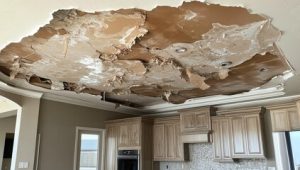
Water damage can be a property owner’s worst nightmare. Whether caused by a burst pipe, a leaking roof, overflowing appliances, or flooding, the effects of water intrusion are often far-reaching. Beyond visible pooling, moisture can seep into walls, floors, and structural components, creating serious health and safety risks while compromising the integrity of a property.
Professional Water Damage Remediation Salt Lake City services provide a comprehensive solution, ensuring that both immediate and long-term effects are addressed effectively. These services not only remove water but also restore properties to their pre-damage condition while preventing secondary issues like mold and structural deterioration.
Understanding the Consequences of Water Damage
Water damage is not merely a surface problem. Its impact can extend to critical areas of a building, leading to:
- Structural issues: Persistent moisture can weaken wooden beams, drywall, subflooring, and foundations.
- Electrical hazards: Water intrusion near wiring or electrical systems can create a serious risk of short circuits or fire.
- Mold and mildew growth: Moist environments are ideal for microbial proliferation, which can affect indoor air quality and pose health risks.
- Property loss: Furniture, electronics, documents, and personal belongings can be permanently damaged if water is not removed promptly.
Due to the hidden nature of many water-related issues, professional remediation is essential to ensure complete recovery and prevent long-term consequences.
Common Causes of Water Damage
Water damage can occur in numerous ways, each with unique challenges for restoration. Some of the most frequent causes include:
- Plumbing failures: Burst or leaking pipes, faucets, and water heaters can release significant amounts of water quickly.
- Appliance malfunctions: Washing machines, dishwashers, and refrigerators may overflow, leading to localized flooding.
- Roof leaks: Damaged shingles, aging flashing, or blocked gutters allow rainwater to infiltrate ceilings and walls.
- Natural flooding: Heavy rainfall, storms, or overflowing rivers can inundate residential or commercial properties.
- Sewer backups: Contaminated water from sewage lines requires specialized remediation to ensure safety.
Regardless of the source, professional water damage remediation services are equipped to handle the situation efficiently and restore the property thoroughly.
The Importance of Timely Water Damage Remediation
Time is of the essence when dealing with water damage. Immediate intervention can significantly reduce the severity of damage and prevent secondary issues. Key benefits of prompt remediation include:
- Minimized structural damage: Quick water removal helps prevent wood warping, drywall collapse, and foundational issues.
- Reduced risk of mold growth: Mold can start growing within 24 to 48 hours after water exposure.
- Enhanced safety: Eliminating standing water and addressing dampness reduces the risk of slips, electrical hazards, and health concerns.
- Cost savings: Early remediation often reduces repair and replacement costs compared to delayed action.
Professional remediation services prioritize rapid response, ensuring property stabilization and reducing long-term damage.
The Water Damage Remediation Process
Professional water damage remediation follows a structured approach that ensures thorough and efficient recovery. The process typically involves several critical steps:
1. Inspection and Damage Assessment
The first step in remediation is a comprehensive assessment of the affected property. Professionals identify the source of water intrusion, evaluate the extent of damage, and determine areas where moisture has penetrated hidden spaces. Advanced tools such as moisture meters, thermal imaging cameras, and hygrometers are used to detect water behind walls, under floors, and within insulation.
This detailed evaluation allows the remediation team to create a tailored restoration plan, ensuring all affected areas are addressed effectively.
2. Water Extraction
Removing standing water is the next crucial step. Professional-grade pumps and industrial vacuum systems extract water quickly, minimizing damage to flooring, walls, and furnishings. Efficient water removal also prepares the property for the drying and dehumidification stage, reducing the likelihood of structural and microbial issues.
3. Drying and Dehumidification
After water extraction, specialized equipment such as air movers and dehumidifiers is deployed to remove residual moisture from building materials and hard-to-reach areas. Thorough drying is essential to prevent secondary damage, such as swelling, warping, or cracking, and to inhibit the growth of mold and mildew.
Moisture levels are continuously monitored to ensure that all areas are completely dry, including hidden spaces like wall cavities, ceilings, and subflooring.
4. Cleaning and Sanitization
Water damage often leaves behind contaminants, debris, and odors. Professional remediation services include comprehensive cleaning and sanitization to restore the property to a safe and hygienic condition. In cases involving contaminated water, specialized cleaning agents are used to neutralize bacteria and pathogens, safeguarding the health of occupants.
5. Structural Repairs and Restoration
The final step in remediation involves repairing or replacing damaged structural components and finishes. This may include installing new drywall, flooring, insulation, or other materials as needed. The goal is to restore the property to its pre-damage condition, ensuring long-term durability and functionality.
Preventing Mold and Microbial Growth
Mold is one of the most serious consequences of water damage. It thrives in damp environments and can begin growing within a short time after water exposure. Mold not only damages materials but also poses health risks, including respiratory issues, allergic reactions, and infections.
Professional water damage remediation services focus on mold prevention through:
- Rapid water removal: Eliminates the moisture necessary for mold growth.
- Thorough drying: Ensures hidden spaces, such as wall cavities and subfloors, are moisture-free.
- Sanitization: Uses cleaning solutions to remove spores and bacteria.
- Post-restoration monitoring: Confirms that moisture levels remain safe and that mold does not develop later.
By addressing both water removal and mold prevention, remediation services protect both the property and the well-being of occupants.
Health and Safety Considerations
Water damage can create a variety of health hazards. Contaminated water, especially from sewage or flood sources, may contain bacteria, viruses, and other harmful pathogens. Mold and mildew growth can further affect indoor air quality and trigger allergies or respiratory issues.
Professional remediation services prioritize safety by:
- Using personal protective equipment (PPE) during cleanup.
- Isolating contaminated areas to prevent cross-contamination.
- Adhering to industry standards for handling hazardous water and materials.
This approach ensures the property is restored safely and efficiently, minimizing exposure to health risks.
Residential Water Damage Remediation
Homes are particularly vulnerable to water damage due to everyday water usage and the presence of multiple plumbing systems. Residential water damage remediation focuses on:
- Salvaging personal belongings, furniture, and flooring.
- Restoring structural elements such as walls, ceilings, and subflooring.
- Ensuring a healthy and safe living environment for occupants.
Prompt remediation in residential properties minimizes disruption to daily life while preventing long-term damage.
Commercial Water Damage Remediation
Commercial properties face unique challenges, as water damage can disrupt business operations, compromise inventory, and affect the safety of employees and clients. Professional remediation services for commercial settings emphasize:
- Fast response to minimize downtime.
- Comprehensive restoration to protect structural integrity and valuable assets.
- Efficient cleanup to allow businesses to resume operations quickly.
By handling water damage professionally, commercial property owners can reduce financial losses and ensure the safety and functionality of their spaces.
Advanced Equipment and Expertise
Professional water damage remediation services use advanced equipment and technology to achieve thorough results. Tools such as moisture meters, thermal imaging cameras, industrial dehumidifiers, and high-capacity water extractors enable technicians to detect hidden damage, remove water efficiently, and dry structures effectively.
In addition, trained professionals understand how different materials react to water exposure, ensuring proper techniques are applied to prevent further damage and facilitate full restoration.
Preventive Measures for Future Protection
While remediation restores a property after water damage, preventing future incidents is equally important. Property owners can reduce the risk of water damage through:
- Regular inspections: Check plumbing, roofing, and drainage systems for vulnerabilities.
- Maintenance: Clear gutters, repair minor leaks, and replace aging fixtures.
- Waterproofing: Reinforce basements, foundations, and other susceptible areas.
- Monitoring systems: Install leak detection devices to identify issues early.
Preventive measures, combined with professional remediation, safeguard properties against recurring water damage and mold issues.
Choosing Professional Water Damage Remediation Services
Selecting the right remediation provider is critical for complete recovery. Professional services offer:
- Rapid response: Immediate action to limit damage and prevent mold growth.
- Comprehensive restoration: From assessment and water extraction to drying, cleaning, and repairs.
- Advanced technology: Industrial-grade equipment for efficient restoration.
- Certified technicians: Skilled experts trained in water damage mitigation and safety protocols.
- Transparent communication: Clear guidance on process, timelines, and costs.
Engaging professional services ensures that water damage is addressed thoroughly and safely, protecting both property and occupants.
Long-Term Benefits of Expert Remediation
Investing in professional water damage remediation provides long-term benefits, including:
- Preservation of structural integrity.
- Prevention of recurring damage and mold growth.
- Protection of personal property and valuable assets.
- Enhanced safety and indoor air quality.
- Retention of property value.
Professional remediation ensures that properties are not only restored but also safeguarded against future water-related problems.
Water damage can have severe and lasting consequences if not addressed properly. From structural deterioration and property loss to mold growth and health hazards, the effects are far-reaching. Professional water damage remediation services provide a comprehensive, systematic approach to restore properties efficiently and safely.
By combining rapid response, advanced technology, thorough drying and sanitization, and skilled repairs, remediation services ensure complete property recovery. Homeowners and business owners alike benefit from faster recovery times, minimized damage, and peace of mind knowing their property is safe and fully restored. With expert water damage remediation, complete recovery is achievable, safeguarding both property and the health of those who occupy it.